Gutter Downspout Unclogging in Long Island, NY
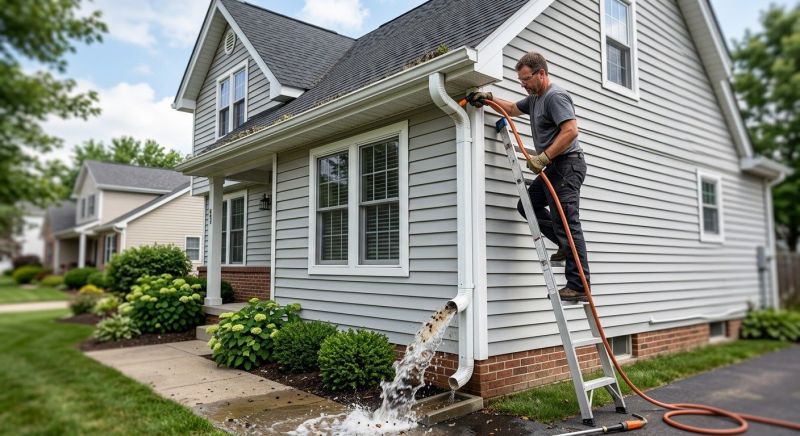
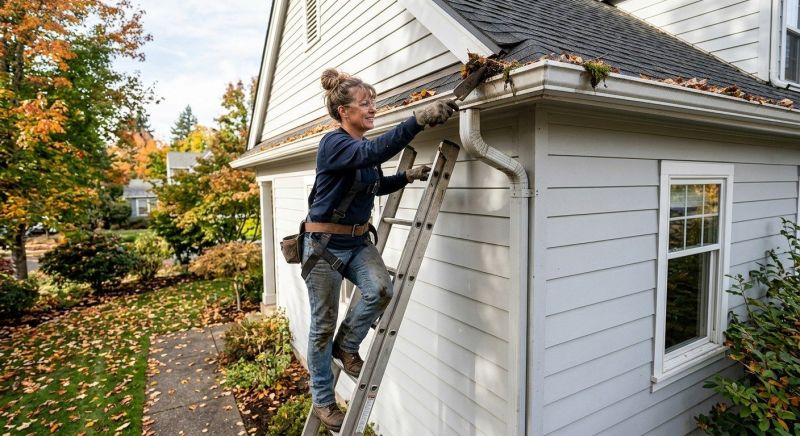
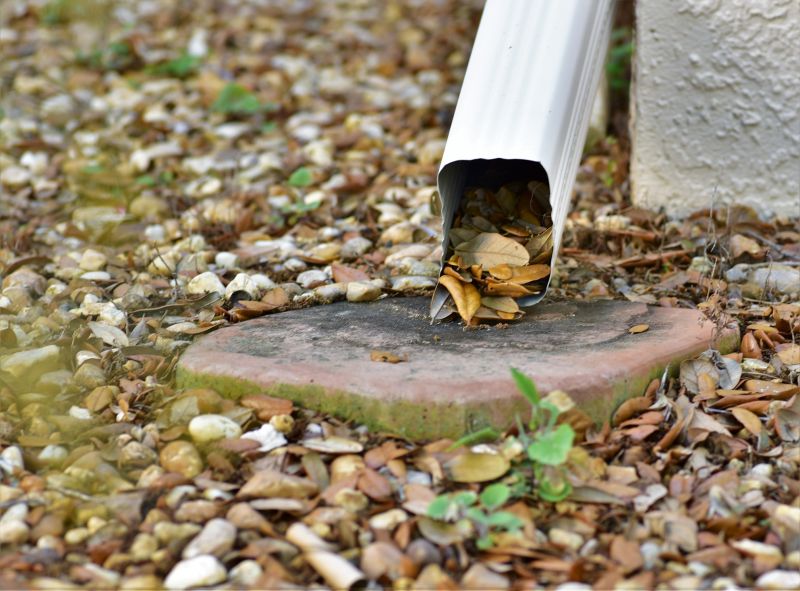
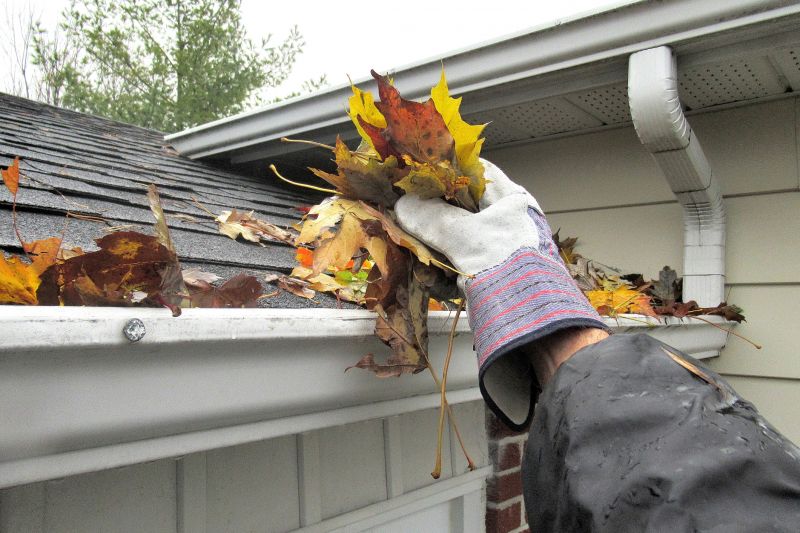
Gutter downspout unclogging services focus on clearing blockages from the vertical pipes that direct rainwater away from a home’s foundation. This service typically covers removing debris such as leaves, dirt, and nests that can obstruct water flow, preventing water from properly draining during storms or heavy rain. Property owners often request this service when experiencing issues like water overflowing from gutters, pooling around the foundation, or visible buildup in downspouts, particularly after seasonal changes or storms.
Before requesting gutter downspout unclogging, homeowners should consider the overall condition of their gutter system, including whether the downspouts are properly attached and directing water away from the property. It’s also helpful to identify any recurring blockages or damage that might require additional repairs or maintenance. Understanding the extent of the clog and the layout of the gutter system can help ensure the service addresses all potential issues effectively.
Many property owners in Long Island, NY look into Gutter Downspout Unclogging for repairs, replacements, upgrades, and appearance-related improvements.
Gutter Downspout Clearing
Ensuring proper flow to prevent water damage and foundation issues.

Clog Prevention Solutions
Implementing techniques to minimize blockages during heavy rains and storms.
Maintenance And Inspection
Regular checks to keep downspouts functioning effectively and avoid costly repairs.
Gutter Downspout Unclogging in Long Island, NY
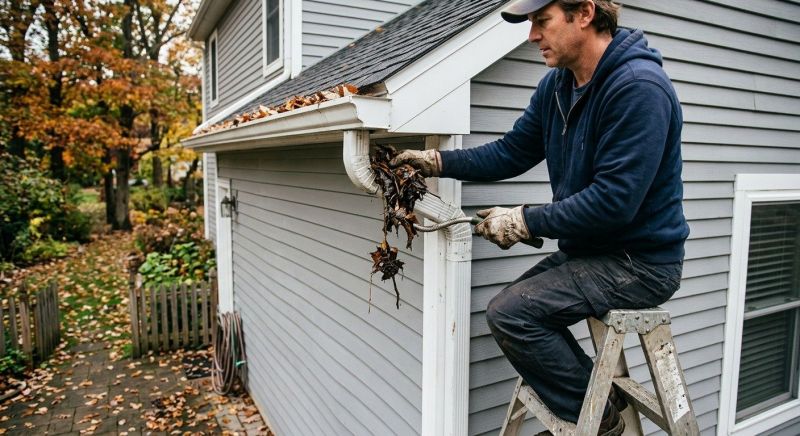
Gutter downspout unclogging services focus on clearing blockages from the vertical pipes that direct rainwater away from a home’s foundation. This service typically covers removing debris such as leaves, dirt, and nests that can obstruct water flow, preventing water from properly draining during storms or heavy rain. Property owners often request this service when experiencing issues like water overflowing from gutters, pooling around the foundation, or visible buildup in downspouts, particularly after seasonal changes or storms.
Before requesting gutter downspout unclogging, homeowners should consider the overall condition of their gutter system, including whether the downspouts are properly attached and directing water away from the property. It’s also helpful to identify any recurring blockages or damage that might require additional repairs or maintenance. Understanding the extent of the clog and the layout of the gutter system can help ensure the service addresses all potential issues effectively.
Many property owners in Long Island, NY look into Gutter Downspout Unclogging for repairs, replacements, upgrades, and appearance-related improvements.
Common Gutter Downspout Unclogging Jobs
Gutter Downspout Unclogging Services - Clearing blockages to ensure proper water flow away from the property.
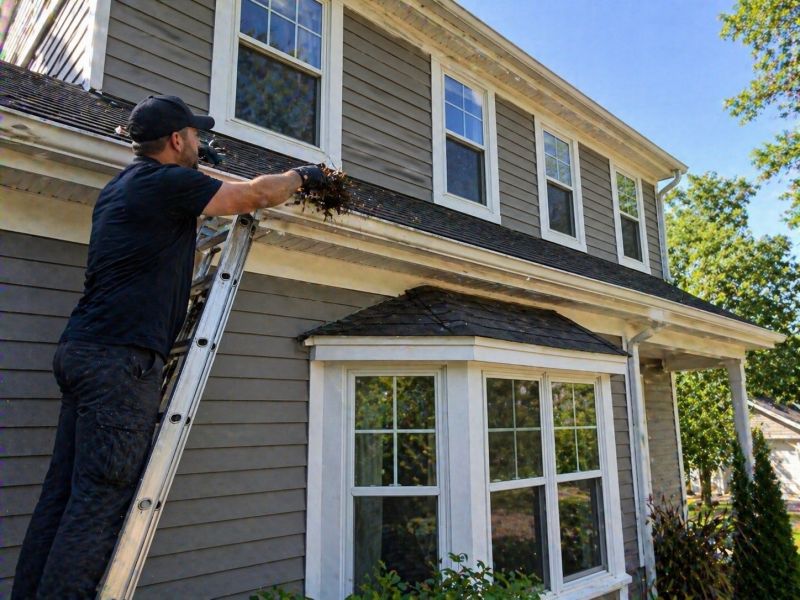
Clog removal - Removing debris such as leaves and dirt that cause downspout clogs.
Downspout flushing - Flushing out buildup to prevent water backup and damage.
Inspection services - Checking for leaks or damage that may hinder downspout performance.
Debris prevention - Installing guards or screens to reduce future clogs and maintenance needs.
Repair services - Fixing broken or detached downspouts to maintain effective drainage.
Gutter Downspout Unclogging Questions
What causes gutter downspouts to clog? Leaves, debris, and dirt often accumulate, blocking water flow and leading to clogs in downspouts.
How can clogged downspouts affect a property? They can cause water to overflow, leading to foundation issues, erosion, and water damage to walls and landscaping.
What signs indicate a downspout is clogged? Water spilling over the sides, pooling around the foundation, or visible debris in the downspout are common signs.
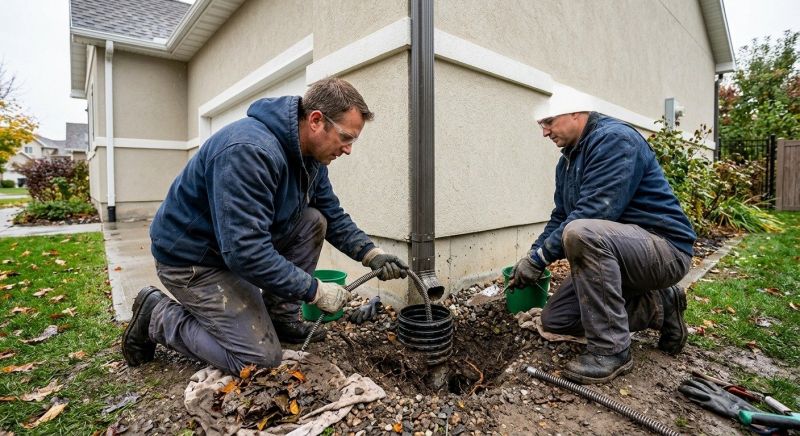
What is involved in unclogging a downspout? The process typically includes removing debris, flushing the system, and ensuring proper water flow through the downspout and gutter.
Request Gutter Downspout Unclogging in Long Island, NY
Use the quote form on this page to share the basics of your project and request more information for the type of work you need.